Denmark and Technology: Green Tech, Robots and the Systems That Follow
Denmark's technology sector has a character all its own. Rather than chasing consumer-app unicorns, it has built strength where technology meets the physical world: in energy systems, robotics, industrial automation and the software that runs sustainable infrastructure. For anyone recruiting senior technology talent, Denmark offers something distinctive, a pool of leaders who understand how to apply advanced technology to real-world, often hard-engineering problems.
Green and energy technology is the flagship. Denmark's decades-long commitment to renewable energy, led by its pioneering role in wind power and companies of global scale in the sector, has created deep expertise in energy systems, grid technology, and the software and data platforms that manage renewable generation. As the world races to decarbonise, this expertise is in extraordinary demand, and Danish leaders who understand both the technology and the commercial realities of the energy transition are genuinely scarce assets. Recruiting them requires understanding a sector where engineering, software and policy intersect.
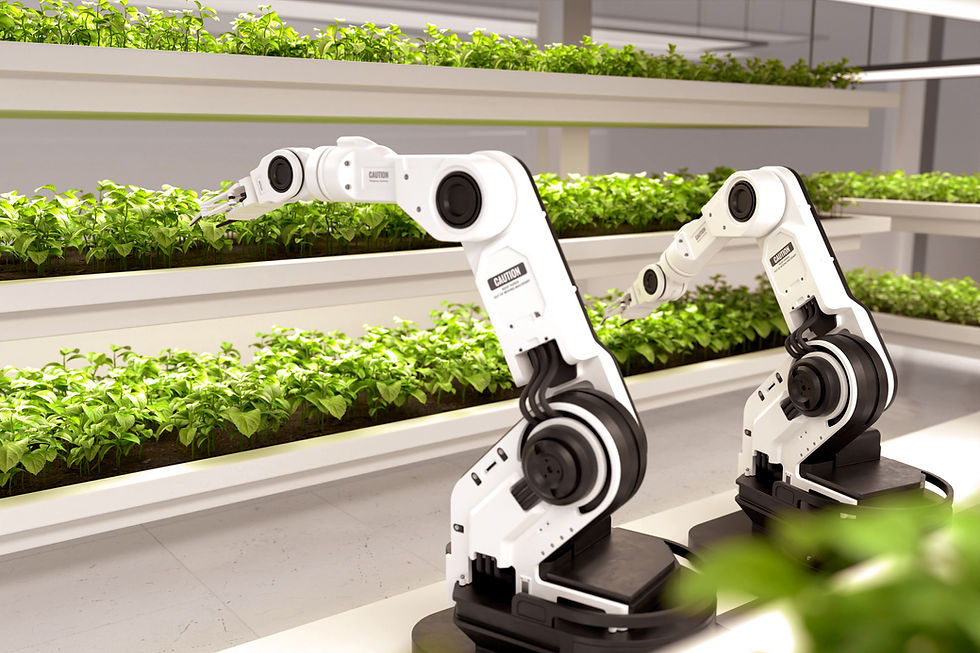
Robotics is Denmark's other standout, and it is remarkably concentrated. The city of Odense has become one of the world's leading clusters for collaborative and industrial robotics, home to companies that have defined entire categories and to a dense ecosystem of startups, suppliers and research institutions around them. This has produced senior talent that blends mechanical engineering, software and product leadership in ways that are rare anywhere. For employers building in robotics, automation or the broader hardware-software space, the Odense network is invaluable, but reaching into it demands genuine local presence rather than a search run from afar.
Beyond these flagships, Danish technology strength runs through fintech, maritime and logistics technology, health technology and enterprise software. A common thread connects them: a pragmatic, problem-solving orientation that favours technology serving a clear purpose over technology for its own sake. Danish technology leaders tend to be grounded, commercially aware and focused on building things that work reliably at scale. Understanding this mindset is essential to assessing whether a candidate will thrive in a given environment.
Danish working culture shapes senior technology hiring in ways outsiders regularly misjudge. Flat hierarchies, collaborative decision-making and a strong respect for work-life balance are fundamental expectations. Senior leaders are drawn to genuine responsibility, interesting problems and employers whose values they respect, and they are quick to leave organisations that fail to honour the cultural contract. Compensation matters, but it competes with quality of life and purpose in ways that pure cash offers underestimate. A leader who signals that success requires sacrificing everything else will struggle to attract the best Danish talent.
The opportunity outlook is strong across all these fields. The energy transition continues to pull senior operators into climate technology, robotics keeps expanding into new applications, and the digitisation of Denmark's already-advanced public and private sectors sustains demand for technology leadership across the board. There is a steady movement of experienced people from established companies into scale-ups and new ventures, especially where the mission is compelling.
The scarcity of the right leaders is sharpened by how specific the experience needs to be. A software leader from consumer technology does not automatically thrive in energy systems or robotics, where the product touches physical infrastructure, safety standards and long development cycles. The most valuable Danish technology leaders combine software fluency with a genuine understanding of the hardware, regulatory or industrial context they operate in, and that combination is not something you can screen for from a distance. It takes real conversations with people who have worked alongside a candidate to know whether their record will translate.
Denmark also benefits from an unusually strong public-private research ecosystem, and it shapes where talent sits. Universities in Copenhagen, Aarhus and Aalborg feed directly into the energy, robotics and health-technology clusters, and many senior leaders move fluidly between research, startups and established companies. This means the pool for a given role is often wider than a purely corporate search would suggest, extending into applied research and spinout ventures. Knowing those adjacent communities, and being trusted within them, is what allows a search to reach beyond the obvious candidates to the ones who are not visibly looking but would move for the right mission.
Our Danish consultants are embedded in these communities, from the energy sector to the Odense robotics cluster, fluent in the language and the networks that never surface on a job board. They know which engineering leaders are ready for a new challenge, which scale-ups are about to grow, and how a candidate is genuinely regarded by the people who worked with them.
Whatever the brief, every piece fits.